

What you need to know about the Galaxy S24 and S24 Ultra from its release date and price, to its specifications.
Samsung's Galaxy S23 series has really impressed us, from the model with solid overall performance, to the top-of-the-line S23 Ultra, with its incredible camera system and S-Pen stylus.
However, the tech world doesn't stand still for long, and we're already seeing rumors about Samsung 's next generation of phones , the Galaxy S24 series. We've been gathering information to try to figure out exactly what Samsung's next superphones will offer, when they'll be announced, and how much they might cost.
All rumors should be approached with caution.
When will the Samsung Galaxy S24 launch?
Samsung unveiled the S23 series and S22 series at Galaxy Unpacked in February 2023 and 2022 respectively. We expect the company to follow the same timeline for the next models, with a launch event in February 2024 and the phones going on sale in the coming weeks.
See also: Samsung Galaxy S24 Ultra: Lighter than the S23 Ultra
How much will the Galaxy S24 cost?
There are no exact details on its price yet, but we don't expect any major changes from the S23. Judging from the S23, the base model starts at $800, the Plus at $1,000, and the Ultra at $1,200.
The new Galaxy Z Flip 5 and Z Fold 5 maintained their prices from last year, so overall it doesn't seem like Samsung plans to change its pricing strategy.
Will there be multiple versions of the Galaxy S24?
Almost certainly, yes. As mentioned, the multi-model strategy is something Samsung has been using for a while, and all current rumors suggest that the company will release at least two versions of the S24: a base model and an Ultra version. Some industry analysts have suggested that the Plus model may be dropped to create more distance between the base and Ultra, although other sources disagree.
What about the design and display of the Galaxy S24 series?
Tipster @Tech_Reve suggests that Samsung will largely stick with the same design as this year, at least for the base S24 and S24 Plus models. Both phones are expected to retain the extra camera lenses.
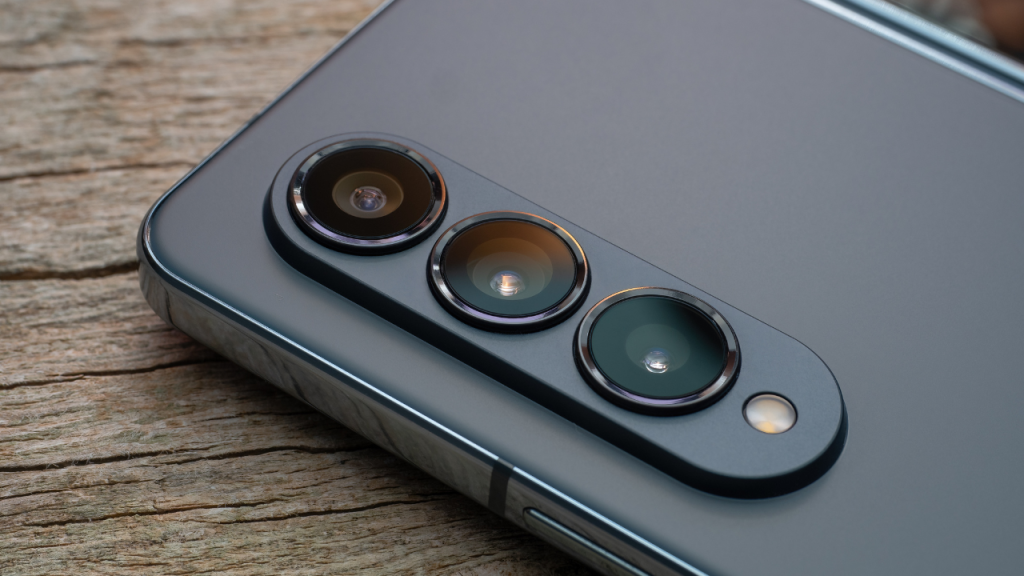
Tech_Reve predicts that the S24 Ultra will ditch the 3x camera lens, meaning there will be fewer lenses in the camera bump – although that may not be the case, but we’ll discuss that later. Other rumors suggest that the Ultra model will be built with a lighter, more durable titanium frame.
See also: Exynos 2400: Speed increase in the possible Galaxy S24 chip
Most rumors claim that the screen sizes will remain almost the same as last year, which means we can expect a basic Galaxy S24 with a 6.1-inch display, an S24 Plus with a 6.6-inch display, and an S24 Ultra with a 6.8-inch display.
And the cameras on the Galaxy S24 series?
Rumors are unclear as to what exactly we should expect for the cameras on the S24 series, with some previous reports saying we'll see a much larger main camera sensor, and other more recent rumors claiming the camera specs will remain largely the same.
The latest rumors come mainly from well-known leaker Ice Universe, a source that rarely turns out to be true. The S23 Ultra's cameras haven't changed much in a few generations, while competition from Apple and Google remains fierce.
Other rumors claim that the Ultra will lose the dedicated 3x optical zoom lens and invest fully in the 10x optical zoom, upgrading it for various zoom levels.
And what about the Galaxy S24 series specs? While it's almost certain that some models in the S24 series will use the upcoming Qualcomm Snapdragon 8 Gen 3 processor, expected to be released later this year, reports suggest that Samsung may revert to using its own Exynos processors in some regions.
Other leaks suggest that the base S24 and S24 Plus could see an increase of up to 12GB of RAM, with the Ultra going up to 16GB.
There aren't many other reliable rumors at this point. However, we expect Samsung to retain the S Pen stylus on the S24 Ultra, as well as introduce a new color range across the range. You can also expect features like IP68 water resistance, under-display fingerprint sensors, and high-refresh displays on all models.
Source: cnet.com
