

This year's "buck moon " supermoon occurs at the time when the Sun is furthest from the planet, due to a phenomenon called Aphelion.
The skies will be well-lit on July 13 as Earth prepares to witness a “supermoon” on Wednesday, bringing the lunar body to its closest approach this year. The phenomenon occurs on the night of a full moon at the Moon to Earth.
This year's supermoon - also known as the "Strawberry Moon" - occurred on June 14, which marked the last full moon of spring or the first full moon of summer, according to Native Americans.
See also: NASA lost contact with the Capstone spacecraft heading to the Moon
Interestingly, this time happens to occur around the same time that the Sun is furthest from the planet, due to Aphelion.
On Wednesday, the Moon will be just 3,57,264 kilometers from Earth.

What is a supermoon?
The term "supermoon" was coined by an astrologer named Richard Nolle in 1979. According to its definition adopted by the American space agency NASA, the phenomenon is a full moon that occurs within 90 percent of its closest approach to Earth.
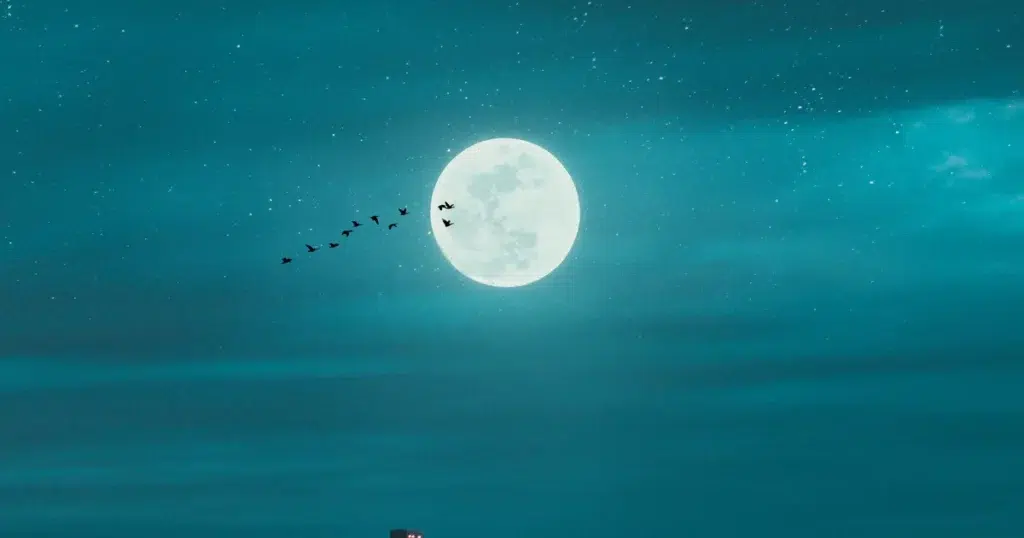
The supermoon is a delight for skywatchers and photographers as the moon appears larger and brighter, providing them with a spectacular opportunity to observe celestial events.
See also: James Webb Telescope: The images it takes are exciting
The phenomenon tends to have tidal effects on the planet, causing very high and low tides. Coastal storms at sea during this period could even lead to worsening flooding, astronomers say.
Date, time and other details
The 2022 supermoon is also known as the "buck moon" – named after the antlers that typically form on a deer's forehead at this time of year.
The supermoon will be visible at 2:38 PM EDT (12:08 AM IST, Thursday) on the night of July 13.
The Moon is likely to appear full for about three days, from early Tuesday morning to early Friday morning.
Source: hindustantimes.com
