

Photographer Lev Mazaraki Names 6 Technologies That Revolutionized Photography
When the conversation turns to technology in photography, it almost always comes back to generative
AI—creating images from text prompts or automated retouching. According to a VSCO study, 83% of
photographers in 2026 will use AI tools in their work. But less conspicuous computational technologies are
changing photography just as much, from HDR+ to intelligent autofocus. Together with Lev Mazaraki, an
Athens-based photographer, let's take a look at which technologies have transformed the profession in
recent years.
See also: Future iPhone may get real underwater photography capabilities
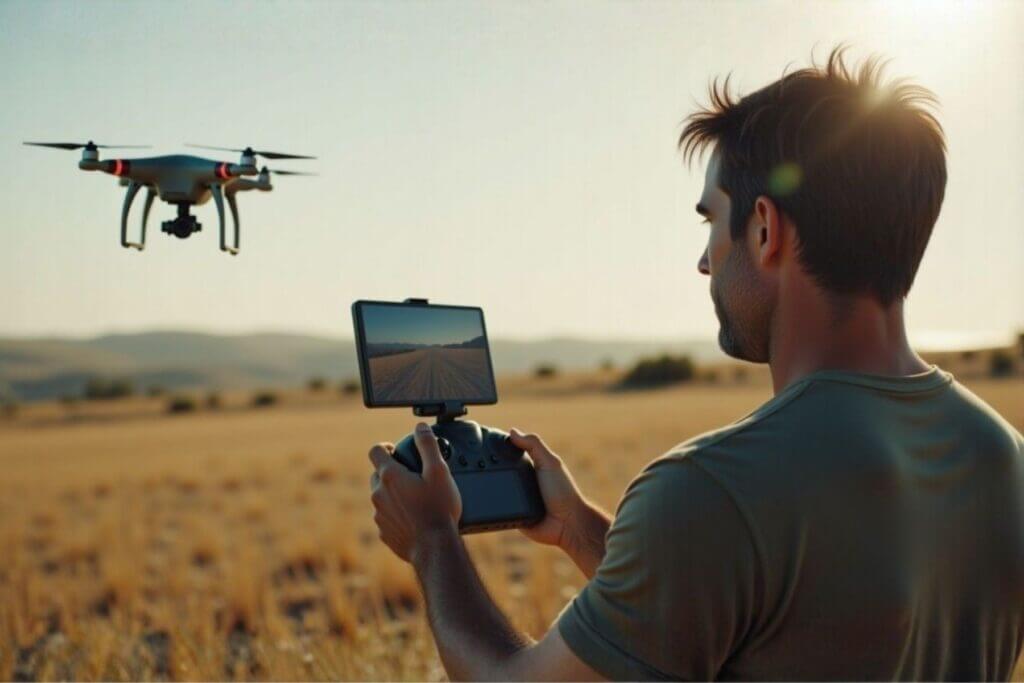
Photo Made from Series of Frames
The most fundamental change involves computational photography. For nearly two centuries, photography was
understood as the capture of a single moment in time. Modern cameras and smartphones increasingly create the
final image from multiple frames, which are then combined by algorithms.
The best-known example is the HDR+ technology in Pixel smartphones. As Google explains, the camera takes a
series of short exposures, then software merges them into a single image with a wider dynamic range. A similar
principle is at work in Pixel Shift technology found in mirrorless cameras. The sensor takes several shots with sub-
pixel precision shifts, then combines them into one file with higher detail and more accurate color reproduction.
"The camera analyzes a series of images and makes many decisions long before the photographer ever opens the
file on a computer," explains Lev Mazaraki. “This is especially noticeable in mobile photography, where software
processing has already become more important than sensor size.”
Autofocus
Another technological leap, according to Mazaraki, has happened in autofocus. Just ten years ago, even
professional cameras regularly missed focus when shooting fast-moving subjects. Modern Sony, Canon, and Nikon
models use machine learning algorithms to recognize people, animals, birds, and vehicles. Sony's Real-time Eye
AF system, for example, can automatically find and track the eye of a person or animal in real time.
At first glance, this might seem like a simple convenience feature. In practice, it is a fundamental shift in image
quality. In documentary or sports photography, the number of technically flawed shots has dropped dramatically.
High ISO
For a long time, shooting at high ISO meant a trade-off between detail and noise. Photographers tried to avoid
extreme sensitivity values or used additional lighting.
Today, machine-learning-based noise reduction systems—like Adobe Denoise, DxO DeepPRIME, or Topaz Photo
AI—don't just smooth out noise. They analyze images' structure and reconstruct details based on trained models.
"Noise reduction has changed the approach to shooting," says Mazaraki. "Many scenes that used to require a
tripod or extra light can now be shot comfortably in available light." For photographers, that means fewer technical
constraints while shooting.
See also: iOS 27 brings full customization to the Camera app
Format
Changes are even happening at the file level. JPEG appeared over thirty years ago and remained the universal
image storage standard for a long time. But modern shooting methods require storing much larger amounts of data.
Gradually, manufacturers are transitioning to the HEIF format, which supports storing image sequences, scene
depth maps, and extended metadata. To the user, this might look like a minor technical update. In reality, it's a
fundamental restructuring of the entire digital photography infrastructure. The format uses more efficient
compression and preserves more color information compared to JPEG.
Smart Masks
If intelligent autofocus changed the shooting process, Lightroom and Photoshop changed post-production.
According to Adobe, most professional content creators already use generative AI and automated tools in their
workflow.
One of the most sought-after solutions is smart masks. Modern versions of Lightroom can automatically isolate a
person, background, sky, clothing, skin, hair, individual facial features, and more. "You can instantly separate a
model from the background, brighten skin, refine clothing, and not spend hours doing it," Mazaraki explains. "These
tools have radically changed the economics of post-processing."
Generative Processing
The most revolutionary—and simultaneously most controversial—stage of technological progress began when
software learned to create new elements inside an image. Generative Fill and Generative Expand in Photoshop,
along with models like Adobe Firefly and Stable Diffusion, allow you to remove objects, extend backgrounds,
change composition, and literally generate new parts of an image. According to Adobe, by 2025, Firefly models had
been used to create over 22 billion digital assets.
See also: The first photo of the eclipse from the Artemis II crew
PS.
"Modern technologies are turning photography into something new," says Lev Mazaraki. Not long ago, he notes,
the professional community was discussing just how smart a camera could become. Since then, cameras have
learned to recognize objects, predict movement, combine dozens of frames into a single image, and even
reconstruct reality beyond the frame. This has raised a new set of conceptual questions. If algorithms are now
doing a significant portion of the work, what exactly do we call photography? Will it remain a way of documenting
reality or gradually turn into a computational output? "I'd like to believe that photography will remain a way of
seeing the world, not a way of constructing it," Mazaraki reflects. "But honestly, there's no definitive answer to that
question. It seems like the entire industry is trying to find it right now."
