

The certification company Copyleaks reports that fraudsters are using artificial intelligence (AI deepfakes) to impersonate celebrities like Taylor Swift and Rihanna in order to collect personal data. The fraudsters are using fake videos of the celebrities to promote dubious services on TikTok.
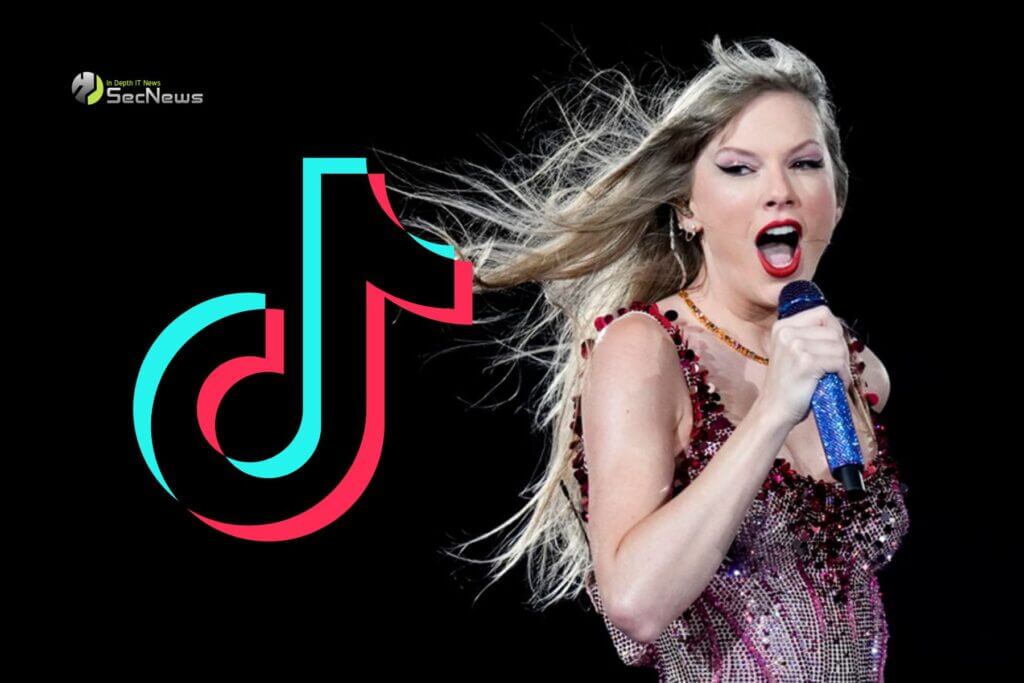
The ads typically feature celebrities in interview settings, such as red carpets, podcasts, or talk shows, and often modify real footage with the help of artificial intelligence. Many of these ads promote rewards programs that claim users can earn money by watching content on TikTok and giving feedback. Official TikTok branding appears in some of the ads to make them appear more trustworthy. However, users are redirected to third-party services that ask for personal information.
See also: Grok: Pornographic deepfakes almost led to a ban from the App Store
In one ad, a realistic AI avatar of Taylor Swift urges users to sign up for a service called TikTok Pay. In another, a fake Rihanna says: “Just watch content and give your opinion.”
AI Deepfakes are flooding TikTok and other platforms
This situation highlights how social platforms are struggling to respond to the rise of convincing deepfakes, which are becoming a common problem for users. TikTok is not alone in this issue. Reports indicate that users of Meta platforms, including Instagram and Facebook, see billions of scam ads every day. YouTube also says it is “investing significantly” in combating celebrity scam ads.
See also: Meta Oversight Board: Deepfakes detection inadequate

Celebrities are looking for new ways to respond. Last week, Swift filed new trademark applications for excerpts of her voice in an effort to protect herself from AI copycats.
This phenomenon clearly reflects the new reality taking shape in the digital world, where artificial intelligence is used not only for innovation, but also as a tool for deception. Deepfake cases involving celebrities such as Taylor Swift and Rihanna highlight how easily user trust, especially when the content seems completely convincing. The use of familiar faces and “official” branding by platforms such as TikTok further enhances the credibility of scams, leading unsuspecting users to provide sensitive data.
See also: Deepfakes: How impersonation attacks are fueling financial fraud
At the same time, the spread of these practices in large ecosystems, such as those of Meta and YouTube, shows that the problem is not isolated but systemic. Platforms are called upon to balance between content freedom and user protection, while celebrities themselves are seeking legal and technological means of defense. The battle against AI-driven scams is just beginning and, as everything shows, will become one of the most critical security issues on the Internet in the coming years.
🔒 Protect your privacy with Proton VPN
Swiss VPN from the creators of Proton Mail — strict no-logs policy, strong encryption, and built-in NetShield that blocks ads, trackers, & malware.
- ✔ No-logs, based in Switzerland (except 14-Eyes)
- ✔ NetShield: blocks ads, trackers & malicious domains
- ✔ Covers all devices — free version available
The link is an affiliate link — SecNews may receive a commission at no additional cost to you. It does not affect the independence of our article writing.
