

Apple managed to pressure suppliers to use more renewable energy sources!

Apple suppliers have more than doubled their net power generation in the past year, the company announced today. The renewable energy projects they support have prevented 13.9 million metric tons of carbon dioxide from entering the atmosphere. That’s roughly the same impact as taking 3 million cars off the road for a year, the company said.
It is part of Apple's efforts to curb climate change by becoming completely carbon neutral by 2030. The company's climate commitment in 2020 led it to reduce greenhouse emissions by 75 percent this decade and find ways to reduce remaining climate pollution.
“The Supplier Clean Energy program is at the heart of Apple’s commitment to producing world-class products with greener manufacturing. Our suppliers are taking significant steps to join us in this work, and we look forward to seeing more bold commitments as we continue to address our environmental impact.” — Jeff Williams, Apple’s Chief Operating Officer
Unlike other companies that have only pledged to eliminate pollution from their direct operations and electricity use, Apple has gone a step further by committing to reduce emissions from its supply chains and the use of products by its customers. These indirect emissions make up the bulk of the company's carbon footprint.
In addition to having a greater impact than focusing solely on the company’s operations, eliminating supply chain emissions has the added benefit of pushing other companies to clean up their own operations. Apple publishes an annual list of its top suppliers, who receive about 98 percent of the money Apple spends on materials, manufacturing, and assembly. About 60 percent of these large suppliers are on Apple’s list of companies that have committed to manufacturing Apple products using “100 percent clean electricity” worldwide. Dozens of smaller suppliers have made similar commitments.
However, claims of using “100 percent clean electricity” aren’t that simple. Apple announced in 2018 that it had started using 100 percent renewable energy, but that doesn’t mean stores and offices were actually powered by wind and solar power all the time. Most grids simply don’t have enough renewable energy capacity and aren’t wired to provide it to any customer all the time.
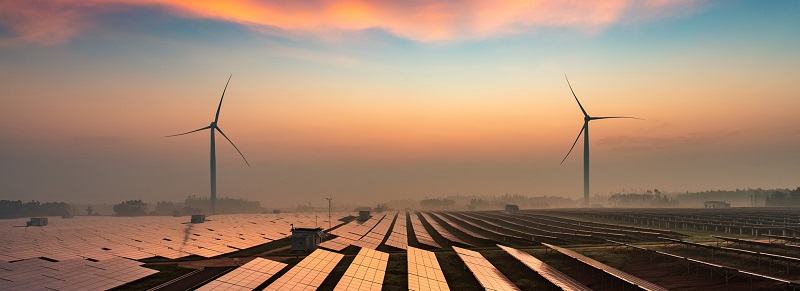
So companies often buy renewable energy credits (RECs) from energy providers, which represent the environmental benefits of renewable energy projects, to offset their dirty electricity use. Apple buys these credits, as do its suppliers. In 2021, just under 80 percent of its suppliers’ renewable energy “procurement” went toward purchasing renewable energy from providers. RECs made up another 8 percent. Another 10 percent of procurement efforts went toward direct investments in new renewable energy projects. And 3 percent went toward renewable electricity actually generated on-site at facilities .
Apple's Supplier Clean Energy Program purchased credits equivalent to 360,000 metric tons of carbon emissions to "address a small increase in its carbon footprint," it said in today's update on the program.
Source of information: theverge.com
